
First, look for a reason to stop
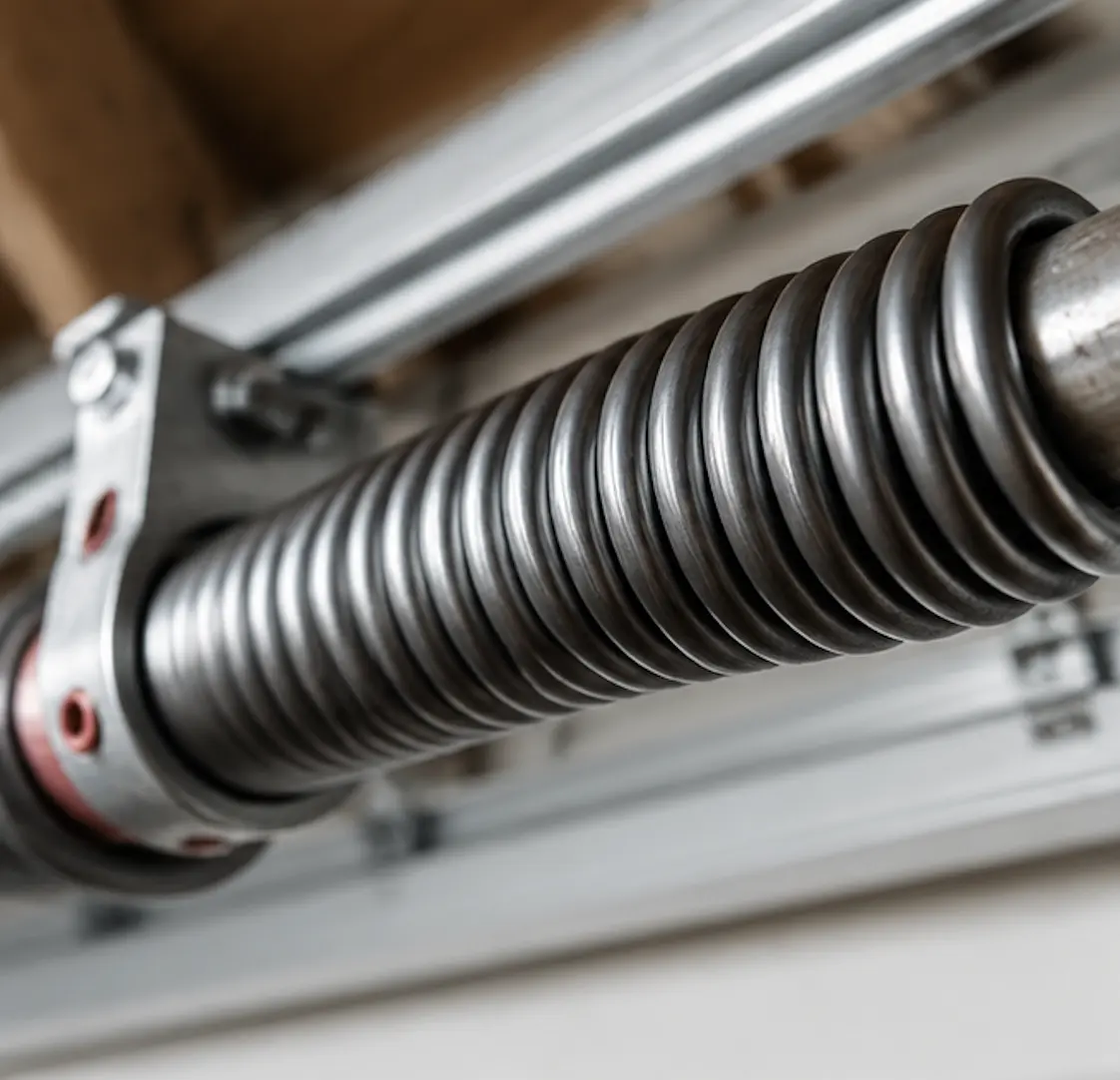
Stop operating the door if it is crooked, hanging unevenly, visibly damaged or associated with a loose cable or suspected broken spring. Keep people and pets clear. Repeated motor attempts can add stress without addressing the fault.
Do not pull an emergency release on an open or unstable door, work beneath it or attempt to hold it in place. If access is blocked, describe the situation when seeking professional help. A stuck vehicle is inconvenient; an uncontrolled door is a safety problem.
Notice what responds
From a safe location, note whether the opener has power, whether a light or error indicator appears, and whether the remote and wall control behave differently. Consult the model-specific manual for control settings, such as a lock mode, and approved battery checks.
Do not open the motor housing, alter wiring or repeatedly reset an electrical supply that trips. If you see damaged wiring, smell burning or encounter an electrical problem, stop using the equipment and seek appropriately qualified help.
Describe the movement, if any
A motor that runs without normal door movement is different from a motor that never responds. A door that moves a short distance and stops is different again. Record the direction, the point where movement stops and any change in sound.
Do not use these observations to assume a diagnosis. Springs, cables, tracks, door alignment, drive components and controls interact. An opener should move a correctly balanced door; extra force or a more powerful motor is not a remedy for a mechanical fault.
If the problem is closing rather than opening
A reversing door may be responding to an obstruction or a safety-system issue. Keep the doorway clear and observe the sensor indicators in accordance with the manual. Do not bypass, reposition or modify safety equipment to make the door close.
The sensor arrangement and diagnostic indicators are model-specific. If the door will not operate as instructed, stop and arrange an assessment. Do not change force or travel settings by trial and error.
Prepare a useful service description
Write down when the door last worked, whether the fault followed an impact or power interruption, and whether the problem is constant or intermittent. Include the model if you can read it without climbing or approaching an unstable door.
A safe photograph of the overall door and the visible symptom can be more useful than repeatedly demonstrating the failure. Explain whether the door is partly open, whether an alternative entrance exists and whether the property can be secured.
Know where homeowner checks end
Battery and control observations described in the owner’s manual are not permission to work on springs, cables, bottom brackets, tracks or the opener’s electrical internals. Damaged, heavy or uneven doors need a trained door-system technician.
When in doubt, keep clear and stop using the door. The goal is to communicate the symptom and arrange an appropriate assessment—not to make a potentially unsafe door move one more time.